
How to Convince Your Boss to Fund a Team Outing
We’ve all been there when you see your team is working hard, and you know that they could use a morale boost. You also see that everyone is itching to get out of the office. You realize the group needs a win, but when you mention team outing ideas to your boss, you get the standard response: "Is it in the budget?" or "How does this help us work better?"
If you want to move past the "maybe next quarter" brush-off, you have to stop pitching a "party" and start pitching a "solution."
Here is how to build a business case for a unique team outing that your boss can’t say no to.
Why Team Outings Are Important
Work can get repetitive. With deadlines stacked up, conversations often become task-focused. Even strong teams start to feel a little disconnected.
That’s where team outings help. Team members get a chance to step out of routine and interact in a different way.
When you take your team out for an outing, a few important things start to happen.
They communicate more openly: Without the pressure of work, conversations feel natural. This often carries back into the workplace.
Relationships build faster and stronger: It’s easier to trust someone you’ve laughed or solved a challenge with.
Stress levels drop: A short break can reset energy and improve focus when everyone returns.
Hidden strengths show up: Someone quiet in meetings might take the lead during an activity.
Collaboration improves: Teams that connect outside work tend to work better together inside it.
When employees feel valued beyond just their output, they stay more engaged. They contribute more and are more likely to stick around.
And this is what you have to show to convince your boss for a team outing. Team outings aren’t just about taking a break. They’re about building a team that works better, communicates better, and feels more connected every day.
4 Ways to Propose A Team Outing to your Boss
1. Focus on "Soft Skill" Development
To a manager, a bar or a bowling alley is just downtime. To get funding, you need to highlight how the activity builds professional skills.
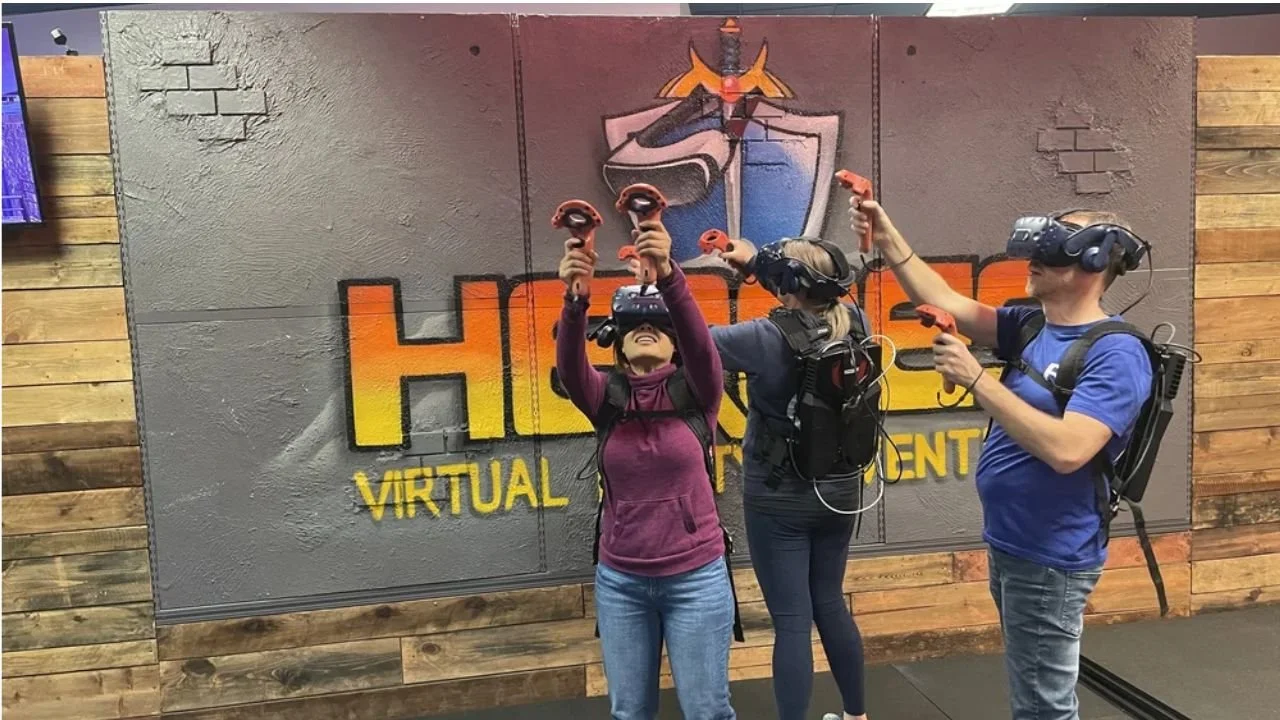
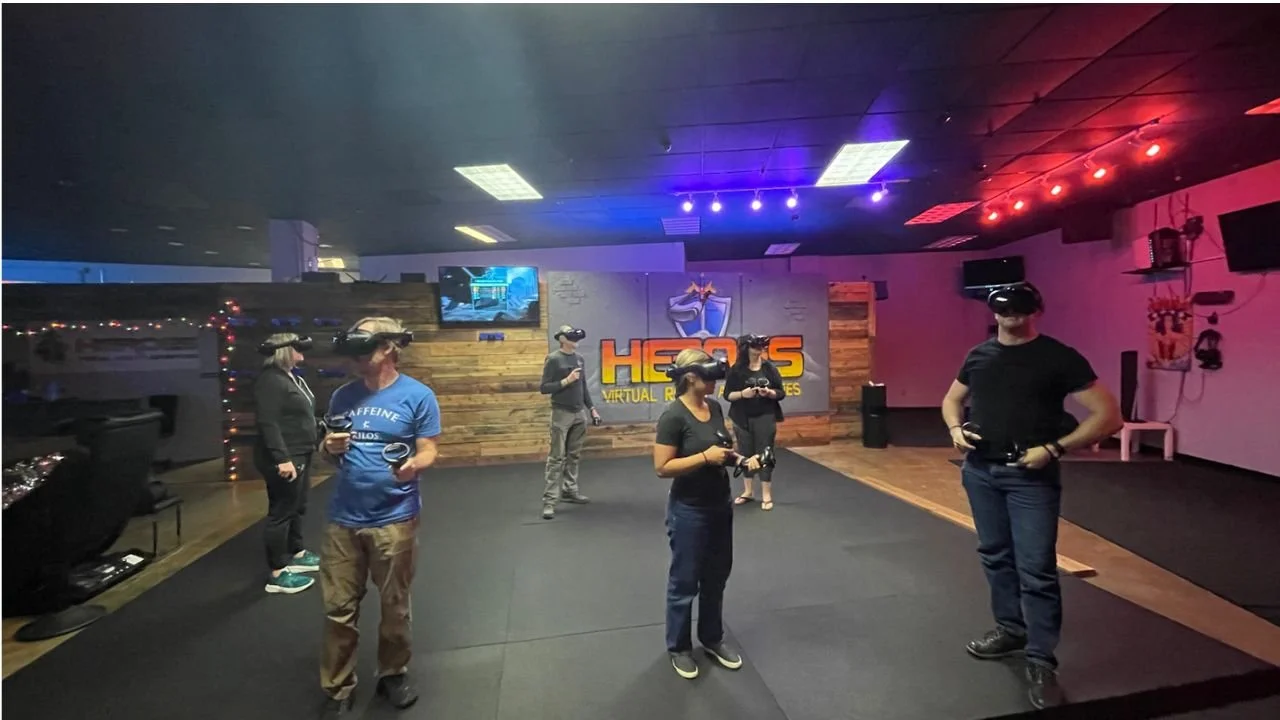
At HEROES VR Adventures, our experiences aren't just games, they are communication simulators. Your team is at a place where they’re diffusing a virtual bomb or coordinating a multi-player defense. They’re not just enjoying themselves, but also practicing:
Clear Communication: In VR, you have to describe what you see to teammates who can't see it.
Delegation: Successful teams quickly learn who should lead and who should support.
Crisis Management: Solving puzzles under a timer helps teams stay calm under pressure.
2. Highlight the "Inclusive" Factor
One reason bosses hesitate on work social ideas is the fear of excluding someone. Happy hours exclude non-drinkers, whereas planning a high-intensity physical sports might exclude people with different physical abilities.
The "pitch" for VR is its accessibility. Because we offer a curated range of experiences you get from seated, low-intensity puzzles to active, free-roam adventures. Through this curated experience, you and we together can make sure that every person on the team can participate comfortably.
To make it much easier, mention to your boss that our VR Guides handle the onboarding, so no prior tech-savviness is required.
3. Use the "Low-Stress Planning" Angle
Your boss is busy. While approving the outing, they’re not just looking at a plan. They’re also thinking about the effort behind it. The last thing they want is to spend three hours coordinating logistics.
You can make the decision easy for them by presenting a "Turn-Key" and ready-to-go solution and not a project they have to manage.
The Private Lounge: Mention that HEROES provides a dedicated space for the team to debrief and hang out.
Predictable Timing: Unlike a long lunch that might drag on, a VR session has a clear start and end time, making it easy to fit into a workday. Need a morning start time? Reach out directly for special hours bookings.
BYOB & Easy-Button Catering: Point out that you can bring in lunch or snacks, keeping the total cost significantly lower than a high-end dinner, or HEROES can take care of those details with our selection of preferred local catering options.
Your goal should be clear here. And that is to make your boss feel like saying yes won’t create extra work.
4. Connect it to Retention and Culture
The cost of replacing an employee is significantly higher than the cost of a team outing. Hiring and training new employees can turn out to be expensive. Losing good people costs time, money, and momentum.
A well-planned outing isn’t just a break. It’s a way to keep your team engaged. Therefore, frame the request as a "Retention Investment."
Shared "novelty," the act of doing something brand new together is one of the fastest ways to build "team psychological safety."
When people do something new together, they connect faster. Similarly, when employees have fun together, they trust each other more back at the office. That trust shows up later in meetings, projects, and problem-solving.
The "Pro-Tip" Pitch
If you're ready to send that email, try this: "I've been looking into some team outing ideas that focus on communication and problem-solving. HEROES VR Adventures in Roseville has a 'Group Events' package that’s collaborative rather than just competitive. It’s a great way to reward the team’s hard work while actually sharpening our teamwork skills in a controlled environment. Should I send over their package pricing?"
At the end of the day, it’s not really about getting approval for an outing. It’s about showing that you understand what the team needs and how that connects to better work.
