
Escape Room Tips: How to Beat the Clock Every Time
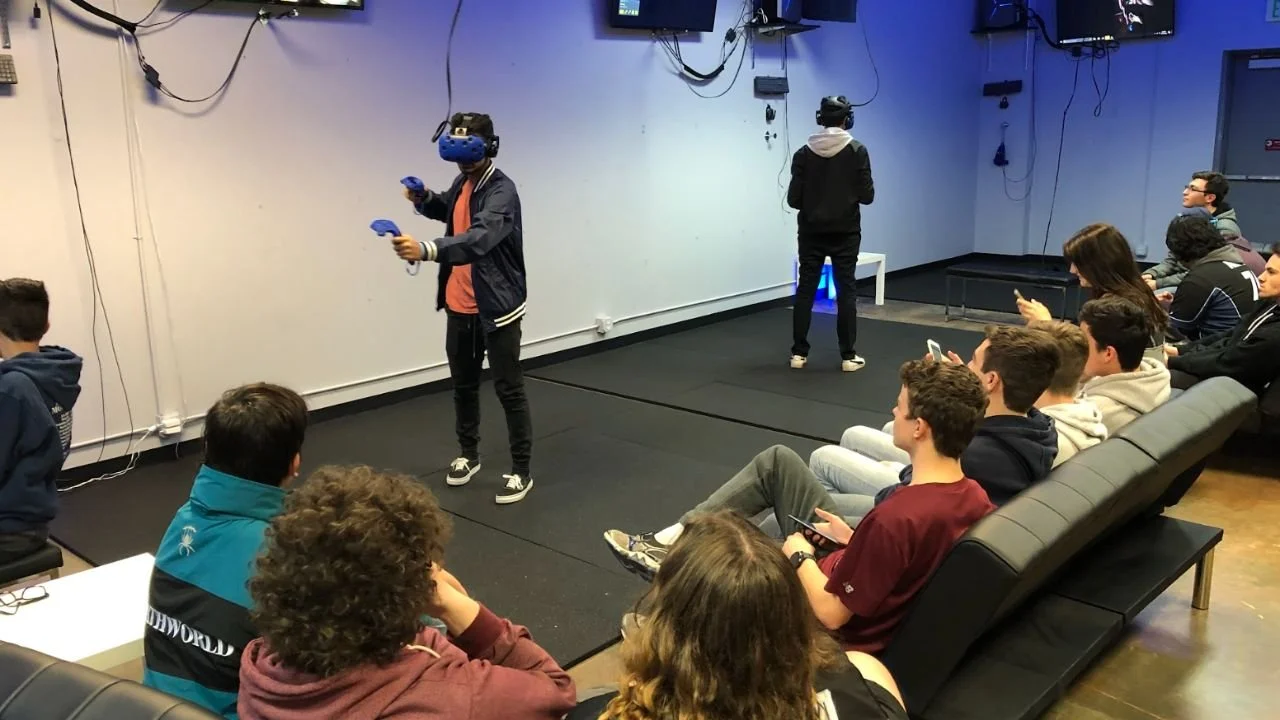
An escape room is a fun activity that isn’t just a game or "something to complete," but a way to improve your thinking skills, teamwork, communication, and problem-solving skills.
It really doesn’t matter if you’re a first-timer or a seasoned escapist; that ticking clock has a way of turning even the smartest teams into a chaotic mess. We’ve all been there: staring at a four-digit lock while the final seconds drain away.
Whether it’s a physical escape room or a virtual escape room, even when you have the right answer, the clock ticking above your head has a way to put loads of pressure on you and make you stressed out, even though you’ve come to chill and relax.
Honestly, winning doesn't require a genius IQ; it requires a strategy. If you want to know how to win an escape room, you have to stop thinking about individual puzzles and start thinking about the system.
Here are our top escape room tips to help your team beat the clock and claim victory.
1. Communicate (Loudly and Often)
The #1 reason teams fail isn't that the puzzles are too hard. It’s because two people found two halves of the same clue and never told each other. That unintended silence is the single biggest mistake teams make.
Two players find clues that connect, but neither one shares them. And the result? The solution gets delayed. That’s how time disappears, and you lose the game. Therefore, you need constant communication from the start. Every clue matters, even if it seems small.
The Pro Strategy: When you find something, yell it out. "I found a key with a blue ribbon!" or "I found a series of Roman numerals!" This allows your teammates to mentally "map" the room and connect the dots faster.
What to Avoid
Whispering to one teammate
Holding clues “until you figure them out”
Assuming someone else will notice
Clear communication saves minutes, and minutes are everything in an escape room.
2. The "Search and Group" Method
The first five minutes decide your momentum. If your team searches randomly, you will miss clues, and if you stay organized, you move faster.
As soon as the clock starts, designate a few people to be "searchers." Check under tables, inside pockets, and behind every prop.
The Pile System: Create a central location for "used" clues and "unused" items. Once you’ve used a key, leave it in the lock so your team knows it’s done. This prevents the "Wait, did we already use this?" loop that wastes 5 minutes of your time.
3. Don’t Be Afraid of the Hint
Most puzzles are not random; they follow patterns. Many teams view hints as a sign of defeat. In reality, the hint is a tool. If your group hasn't made a discovery in 5–10 minutes, you are likely stuck on a "red herring." Use the hint to get back into the flow. The goal is to keep the momentum moving!
Instead of staring at objects, ask better questions.
Do these symbols repeat?
Are numbers arranged in a sequence?
Do colors match something else in the room?
Escape rooms reward observation, not guessing.
Quick Tip: If something feels important, it probably is. Designers rarely include random elements, and every clue has a purpose.
4. Stay Calm Under Pressure
Being calm in an escape room is the key to a perfect win. Panic ruins progress, especially when time runs low, and teams rush and make mistakes. This is when they stop thinking clearly and then ultimately make mistakes.
So what should you do when the pressure builds?
Take a breath.
Slow down for a few seconds
Recheck clues
Confirm your logic
When you’re calm, you can think more clearly and get faster solutions. While "going fast" may seem like the right move, rushing often creates costly mistakes. Clear thinking actually saves time. Remember, "Slow is smooth, and smooth is fast."
5. Experience the Next Level: Virtual Escape Rooms
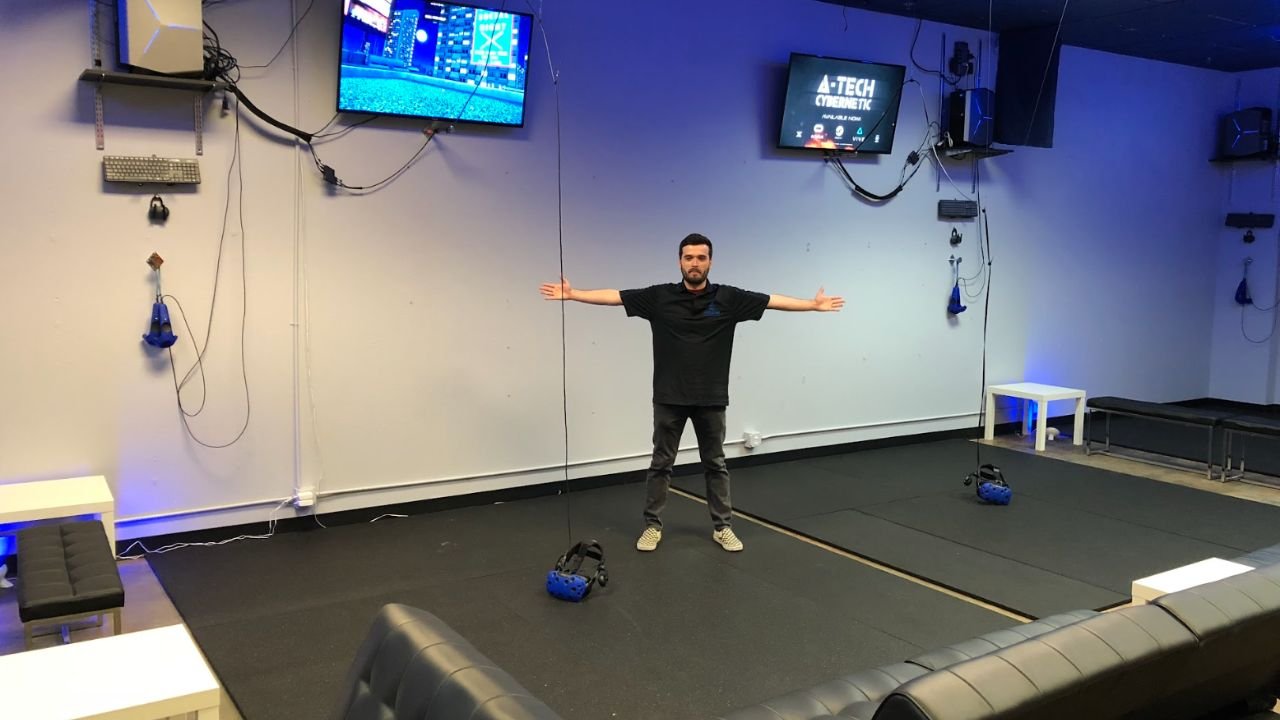
If you’ve done traditional escape rooms, you know the physical limitations: sometimes a lock is jammed, or a drawer won't open quite right. This is where Virtual Reality (VR) Escape Rooms change the game.
At HEROES VR Adventures, we offer immersive escape rooms that go beyond what’s possible in a physical space.
Infinite Possibilities: In a physical room, you're stuck in a 10x10 space. In VR, you can be in a collapsing space station or a cursed underwater temple.
Ditch the "Home" Limits: While PS4 VR or an Oculus Quest can offer puzzle games, they lack the physical "free-roam" space we provide. At HEROES, you and your team actually walk around the environment together, making it feel like a true physical adventure without the clunky mechanical locks.
Collaboration is Key: Our virtual rooms are built specifically for teamwork. You’ll need to physically hand objects to each other and coordinate movements in a way that feels incredibly natural.
6. Dress for Success
It sounds simple, but wear comfortable clothes. Tight or uncomfortable clothes slow you down. You’ll be ducking, reaching, and moving. Whether you are in a physical room or a HEROES VR bay, you don’t want your wardrobe to be the reason you missed the final clue.
If you’re wondering what the right outfit is, here’s how you can plan:
Comfortable clothing
Shoes that are secure and easy to move in, close-toe recommended
No distractions
Whether you’re in a physical room or a VR setup, comfort helps performance.
Final Thoughts: Think Like a Team, Not a Player
If there’s one thing to remember, it’s this: escape rooms are not individual games. They are team challenges that require proper collaboration. In an escape room, you don’t win by being the smartest person in the room. You win by being part of a smart system.
Therefore, it is important that you communicate clearly, stay organized, manage your time, and stay calm under pressure. When you do these things well, you will see results in your favor.
So, the next time you step into an escape room, don’t just play, but play with a plan. Because beating the clock isn’t luck, it’s strategy.
